


SPORTS MASSAGE · ANGEL + HIGHBURY
Sports Massage in Islington: Angel & Highbury
Focused, activity-led bodywork for muscles that feel tired, tight or overworked after running, gym training, cycling, physical work or repeated daily movement. Your practitioner adapts the pressure, pace, soft-tissue techniques and any assisted movement to your comfort, recent activity and reason for booking.

From £82
60- and 90-minute appointments
Open daily 10am–9pm
PRICES + STUDIO CHOICE
Choose your Sports Massage studio on Upper Street
Sports Massage appointments start from £82. Choose the studio, appointment time and session length that work best for you. A 60-minute appointment can concentrate on one or two priority areas. Ninety minutes provides more time for several connected areas, movement-based work or a less hurried pace.
Sports Massage at Asiatic Angel
Near Angel station


Convenient for Angel, Islington Green, Clerkenwell, King’s Cross and the southern end of Upper Street.
Sports Massage at
Asiatic Highbury
Near Highbury & Islington station
Convenient for Highbury, Canonbury, Holloway, Finsbury Park and the northern end of Upper Street.
Availability note
Sports Massage availability depends on the practitioner working. If you would like to request a practitioner with a particular sports massage qualification or area of experience, please contact reception before booking.
IS THIS THE RIGHT TREATMENT?
Sports Massage is shaped around what you do
Sports Massage may suit you if you want focused bodywork for training, repetitive movement, or an active lifestyle.
If your main preference is slower, firm, oil-based work for general muscular tension, Deep Tissue Massage may be the clearer choice.
If you have a recent injury, sharp or unexplained pain, swelling, numbness or worsening symptoms, seek appropriate healthcare advice before booking.
Training feels demanding
You want focused attention on muscles that feel tired, heavy, or overworked after running, gym sessions, cycling, or other physical activity.
The same areas work repeatedly
You regularly place demand on specific areas, such as the calves, hamstrings, hips, glutes, shoulders, or upper back.
You want activity-led focus
You would like the practitioner to consider your recent activity, the movements you repeat and when you plan to train again.
You prefer a mixed approach
You are comfortable with a session that may combine focused pressure, compression, soft-tissue work and assisted movement where appropriate.
HOW THE TREATMENT WORKS
What is Sports Massage?
Sports Massage is focused bodywork shaped by your activity, training pattern and areas that feel most used.
It is not just for professional athletes. Runners, gym-goers, cyclists, active professionals and anyone experiencing repeated physical demands may benefit from this treatment.
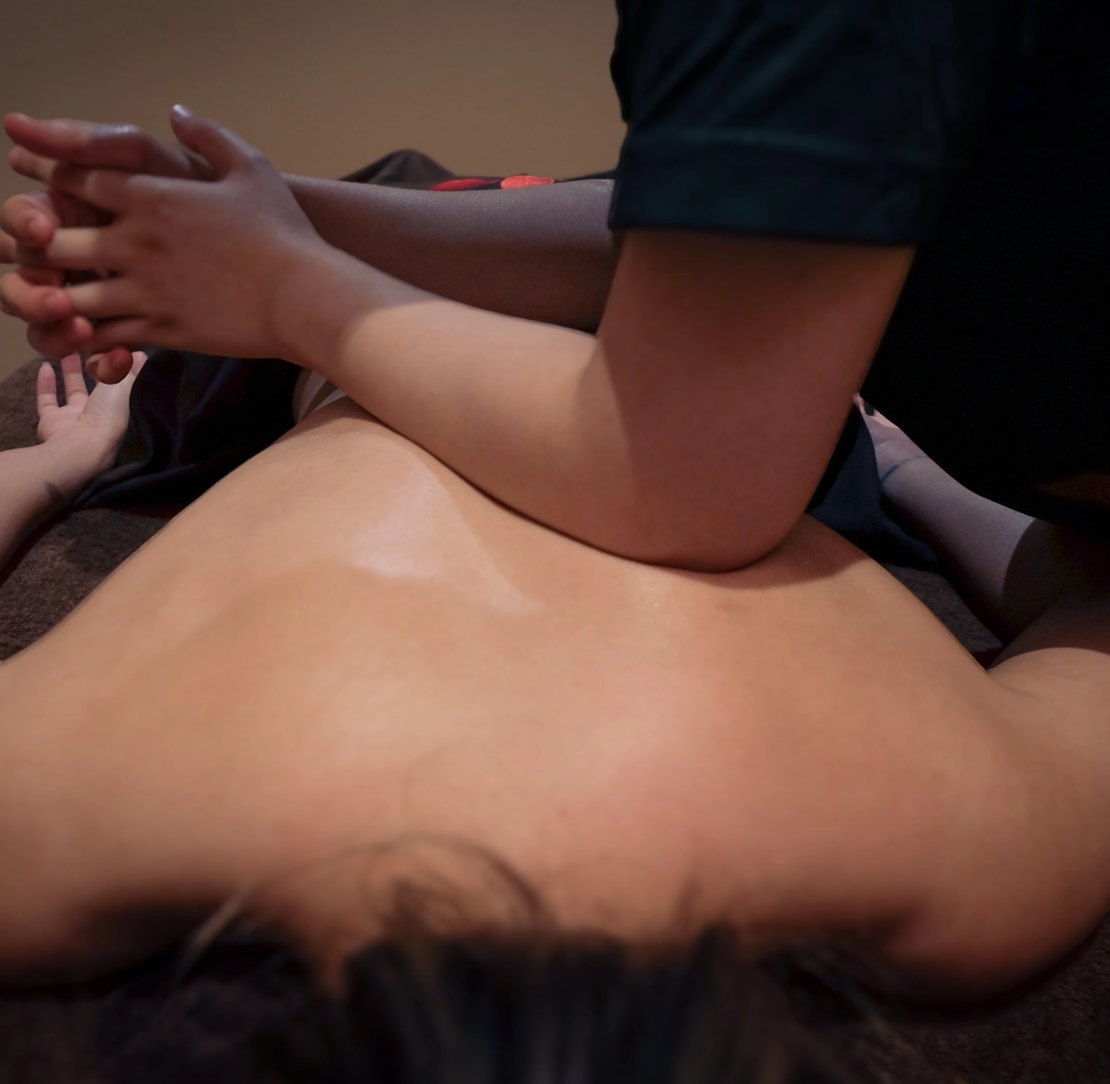
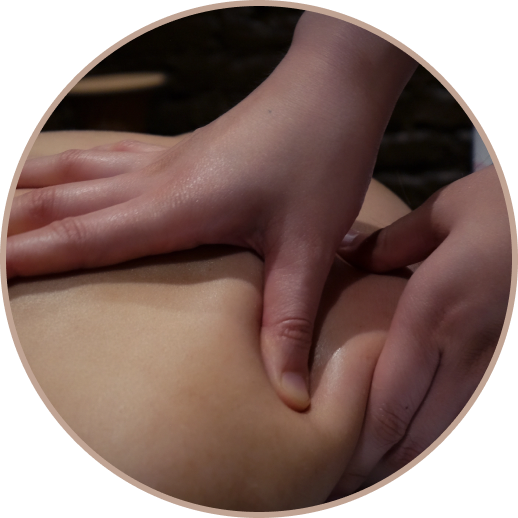
Sessions may include focused soft-tissue work, compression, assisted movement, stretching or adjustable pressure around localised tender areas.
Techniques are selected based on your reason for booking, pressure preference and response during the session. Sports Massage is not necessarily deeper than Deep Tissue Massage. Its focus is on activity and repeated muscular demand, rather than pressure alone.
Format
Usually an oil-based table treatment.
Pressure
Adapted from moderate to firm.
Focus
One priority area or several connected areas.
Movement
Assisted movement or stretching may be included when appropriate.
ACTIVITY + FOCUS AREAS
Where your practitioner can focus
Running and lower-body training
Calves, hamstrings, quadriceps, hips, glutes and lower back may receive extra time when these areas feel heavily used after running or lowerbody training.
Strength and gym training
The session may focus on the shoulders, chest, upper back, arms, hips, glutes or legs according to the exercises you perform most often.
Cycling and repeated positions
Cyclists may want focused work around the quadriceps, calves, hips, glutes, lower back or upper body after spending extended time in one riding position.
Physical work and active days
People who stand, lift, walk or repeat similar movements throughout the day may prefer focused work around the legs, back, shoulders or forearms.
You do not need to choose every area. Your practitioner will help establish
a realistic focus for the time available.
If your concern is predominantly desk-related tension through the upper back, neck and shoulders, Back, Neck & Shoulder Massage may provide a more direct option.
YOUR APPOINTMENT
What to expect during Sports Massage
1
We begin with your activity
Before your treatment, your practitioner will ask about your activity, any areas of concern, recent training and pressure preferences.
2
Choose the Right Approach
Your session may include focused massage, compression, soft tissue work and assisted movement. Your practitioner will explain positioning and draping beforehand.
3
We adapt throughout
Pressure should feel purposeful and manageable. Let your practitioner know if anything feels uncomfortable or you would prefer a different pressure.
PRACTITIONER INSIGHT
The session starts with your activity—not a fixed routine
Ben’s long-standing experience across sports massage, Thai massage and movement-led bodywork helps shape the founder-led standards behind Asiatic.
This approach considers the person’s activity, preferred pressure and muscular response instead of treating Sports Massage as one fixed or unnecessarily painful sequence.
Sports Massage appointments are delivered by suitably experienced practitioners. Please contact reception if you would like help selecting a practitioner or confirming a particular qualification.

“Sports massage should begin with what the person has been asking their body to do. We then adapt the pressure, pace and focus rather than forcing everyone through the same routine.”
Ben Pianese
Co-founder · Bodywork practitioner since 2001
TRAINING + TIMING
Shape your appointment around your activity

Before an event
Tell your practitioner what you are preparing for and how soon the event will take place. A pre-event appointment should not introduce unexpectedly intense pressure or unfamiliar techniques immediately before an important performance.
After demanding activity
Explain how recently you trained and which areas feel most affected. Pressure and focus can then be adjusted to how your body feels on the day.
General maintenance
Some clients book Sports Massage periodically as part of an active routine. There is no universal booking frequency; it depends on your activities, preferences, schedule and response to treatment.
Before your appointment
Share recent training, relevant previous injuries, health information, pressure preference and anything you want the practitioner to avoid. Avoid booking if you feel unwell or have a recent injury, significant swelling, sharp or unexplained pain, numbness or worsening symptoms.
After your appointment
Allow yourself a little time before returning to a demanding schedule. Move gently and pay attention to how your body feels before resuming intense exercise. Responses vary. If you experience unusual, significant or worsening symptoms, seek appropriate healthcare advice.

Sooya was very attentive and able to easily identify where my body held tension —an excellent deep tissue massage.
COMPARE TREATMENTS
Sports Massage or another Asiatic treatment?
Treatment
Best for
Pressure
Session length
From
Sports Massage
Training fatigue, active routines and targeted work
Moderate to firm
60 or 90 minutes
£82
COMMON QUESTIONS
Sports Massage FAQs
Is Sports Massage only for athletes?
No. Sports Massage is often chosen by runners, gym-goers and active people, but it can also be useful for desk workers, commuters and anyone who wants focused soft-tissue work. It is suitable for many people who feel tight, heavy, or restricted due to repeated movement, training, or posture.
Is Sports Massage good for runners?
Many runners choose Sports Massage for focused work on the calves, hamstrings, quadriceps, glutes, hips and lower back. It may support general comfort, mobility and recovery between training sessions, although it does not replace medical care for injury.
Can Sports Massage help desk workers?
Sports Massage can be useful for desk workers who feel tight around the neck, shoulders, chest, lower back or hips. It uses a more focused approach than a purely relaxing massage and can be adapted to posture-related tension from sitting and commuting.
How do I book Sports Massage session at Asiatic?
You can book online, buy a gift voucher or contact our reception team for help choosing the right treatment and session length. Sports Massage is available at both Asiatic Angel and Asiatic Highbury.
How long is a Sports Massage session at Asiatic?
Most clients book either a 60-minute or 90-minute Sports Massage. A 60-minute session can focus on key areas, while a 90-minute session allows more time for soft-tissue work, assisted stretching and several focus areas.
What is the difference between Sports Massage and Deep Tissue Massage?
Deep Tissue Massage is usually chosen for firmer work on general muscular tension. Sports Massage is more functional and movement-aware, often focusing on activity patterns, training load, mobility and specific areas used in sport or daily movement.
Does Sports Massage hurt?
Sports Massage can feel strong or tender in certain areas, but it should not feel unbearable. At Asiatic, pressure is adapted to your comfort, and your therapist will check in throughout the session. The aim is focused, productive pressure rather than unnecessary pain.
Is Sports Massage useful for gym-goers?
Yes. Gym-goers often book Sports Massage for areas that feel tight, heavy, or overused after training, such as the shoulders, chest, back, hips, glutes, or legs. The treatment can be tailored to your training style and preferred pressure.
How often should I book Sports Massage?
The right frequency depends on your activity level, comfort and reason for booking. Some active clients book every two to four weeks for general maintenance, while others book only when they feel tight or tired. Your therapist can advise based on your session.
Can I book Sports Massage if I have an injury?
If you have a recent injury, sharp pain, swelling, numbness, unexplained symptoms or a medical concern, please speak with a GP, physiotherapist or qualified healthcare professional before booking. Sports Massage at Asiatic does not replace medical diagnosis or treatment.
What should I wear or bring for Sports Massage?
Wear comfortable clothing to arrive in. Your sports massage therapist will explain privacy and draping before the session begins, and only the area being worked on will be uncovered. If your massage relates to training, running or gym work, please tell your therapist about your recent activity and any areas that feel tight or restricted.
Where can I book Sports Massage in Angel or Islington?
You can book a Sports Massage at Asiatic Angel, 93 Upper Street, or Asiatic Highbury, 262 Upper Street. Both studios are located on Upper Street, Islington.
ANGEL + HIGHBURY
Choose your Upper Street studio
Book focused Sports Massage at Asiatic Angel near Angel station or Asiatic Highbury near Highbury & Islington station.
Still not sure? Compare Treatments